
Safety

Safety in Cargo Handling with Fitacabo Slings
The Fitacabo brand specialises in manufacturing equipment used in cargo handling, lifting and lashing operations. Experienced and with excellent infrastructure, it stands out in the market for its highly qualified products, efficiency and competitive prices.
In addition, the company offers 100% domestically manufactured products, supported by a skilled workforce and continuous investment in technology, providing consumers with increasingly practical and innovative solutions, achieving full satisfaction and safety for all users of our products, now serving throughout Latin America.
This product is designed and manufactured to withstand various types of cargo handling operations, including processes that require greater resistance. To ensure the highest safety and quality, lifting slings are produced in accordance with national and international technical standards, having passed the most rigorous tests and exhibiting high resistance to successive load cycles.
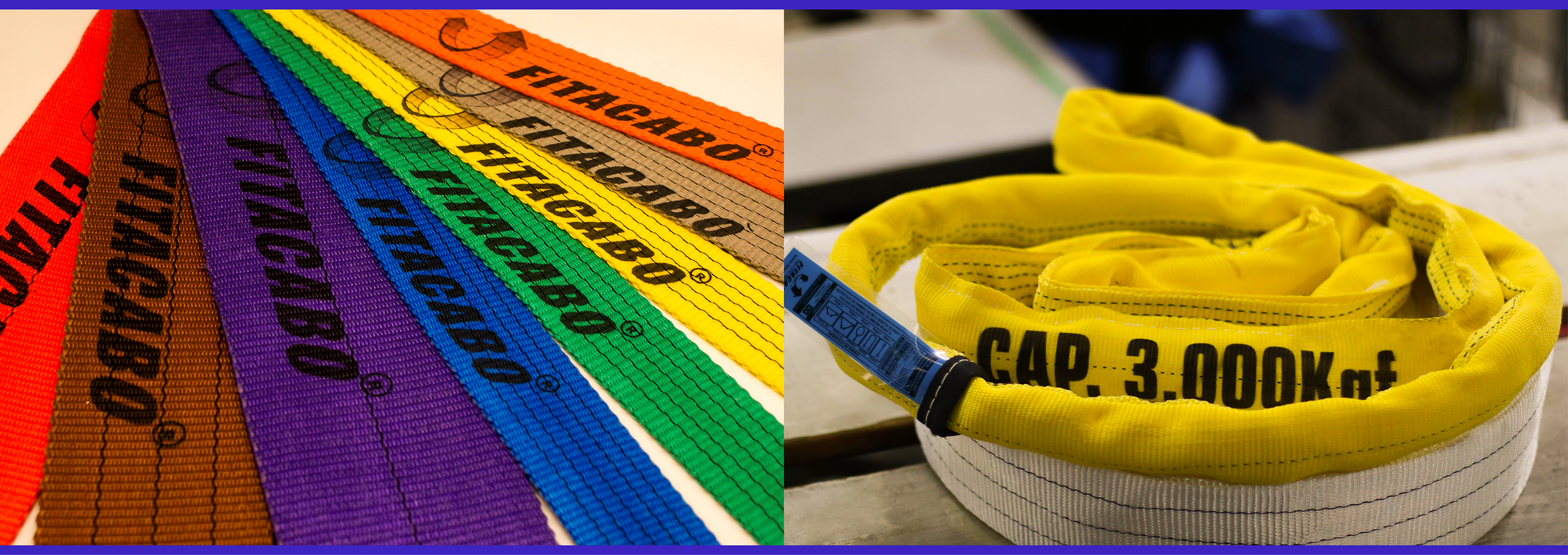
Polyester is ideal for manufacturing cargo lashing and lifting slings due to its benefits. For this reason, polyester slings for cargo handling are 100% composed of this material, which gives them high tenacity, low elongation and abrasion resistance, resulting in greater capacity when compared to other products of the same function on the market.
International colour standard
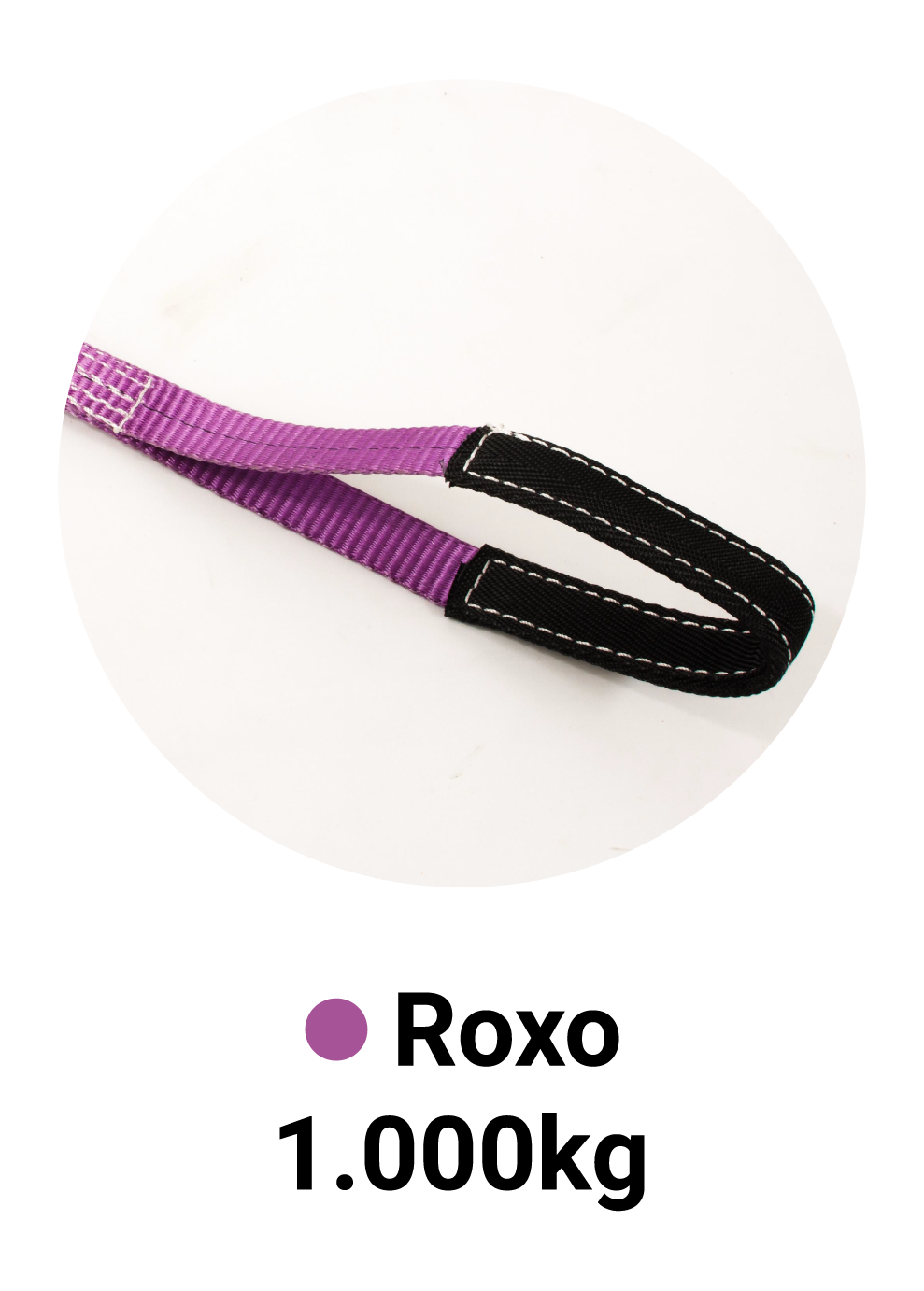
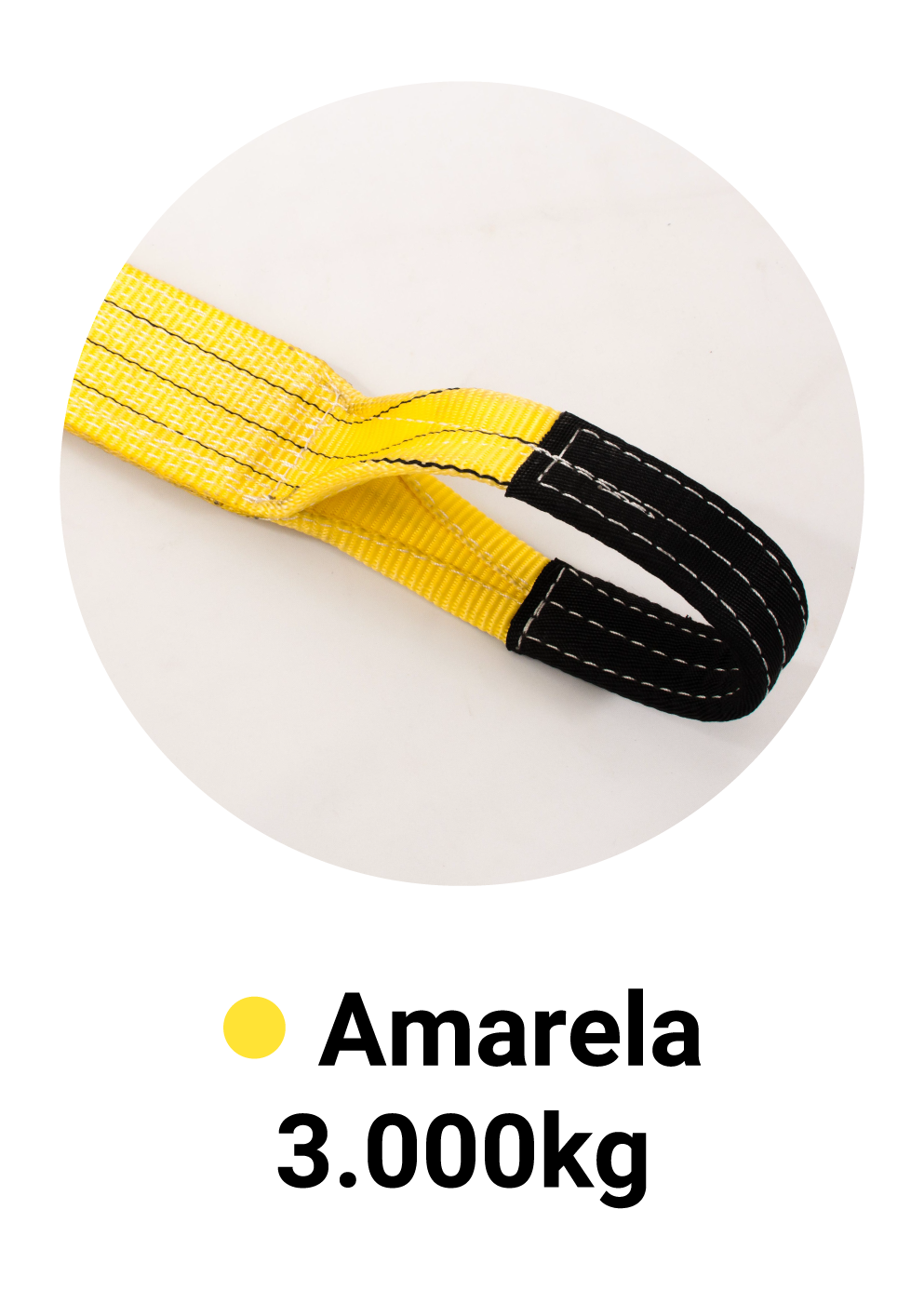
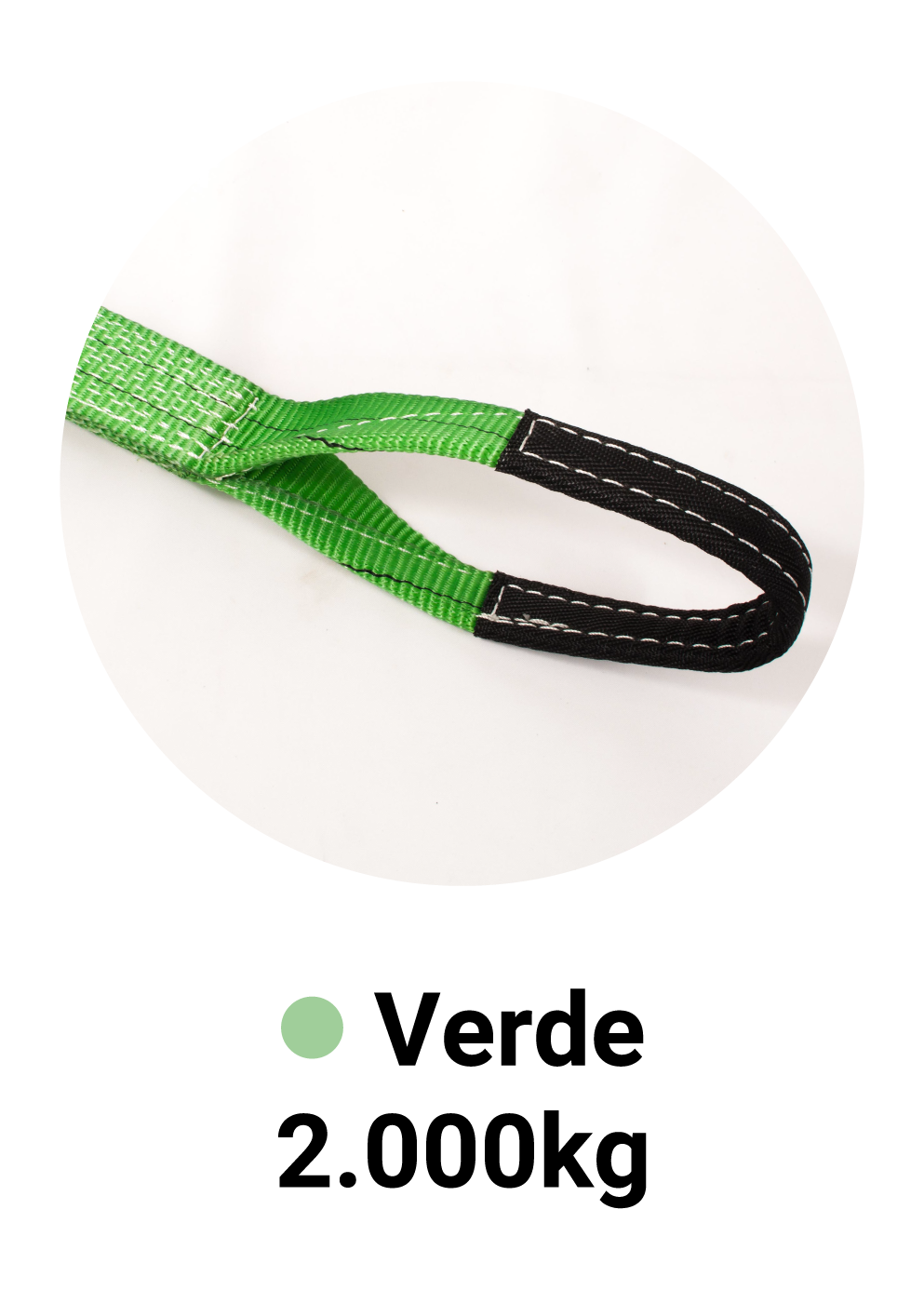
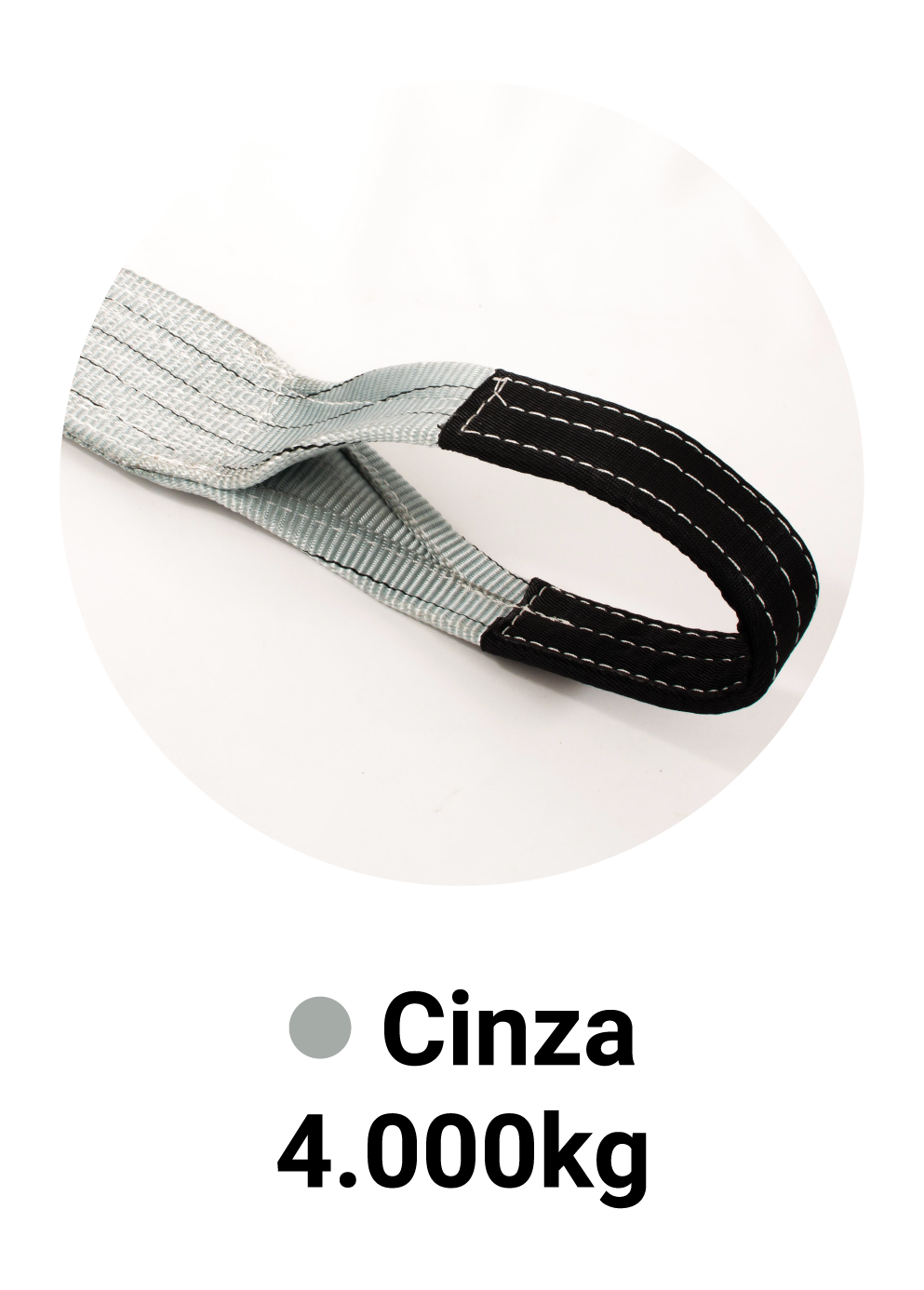
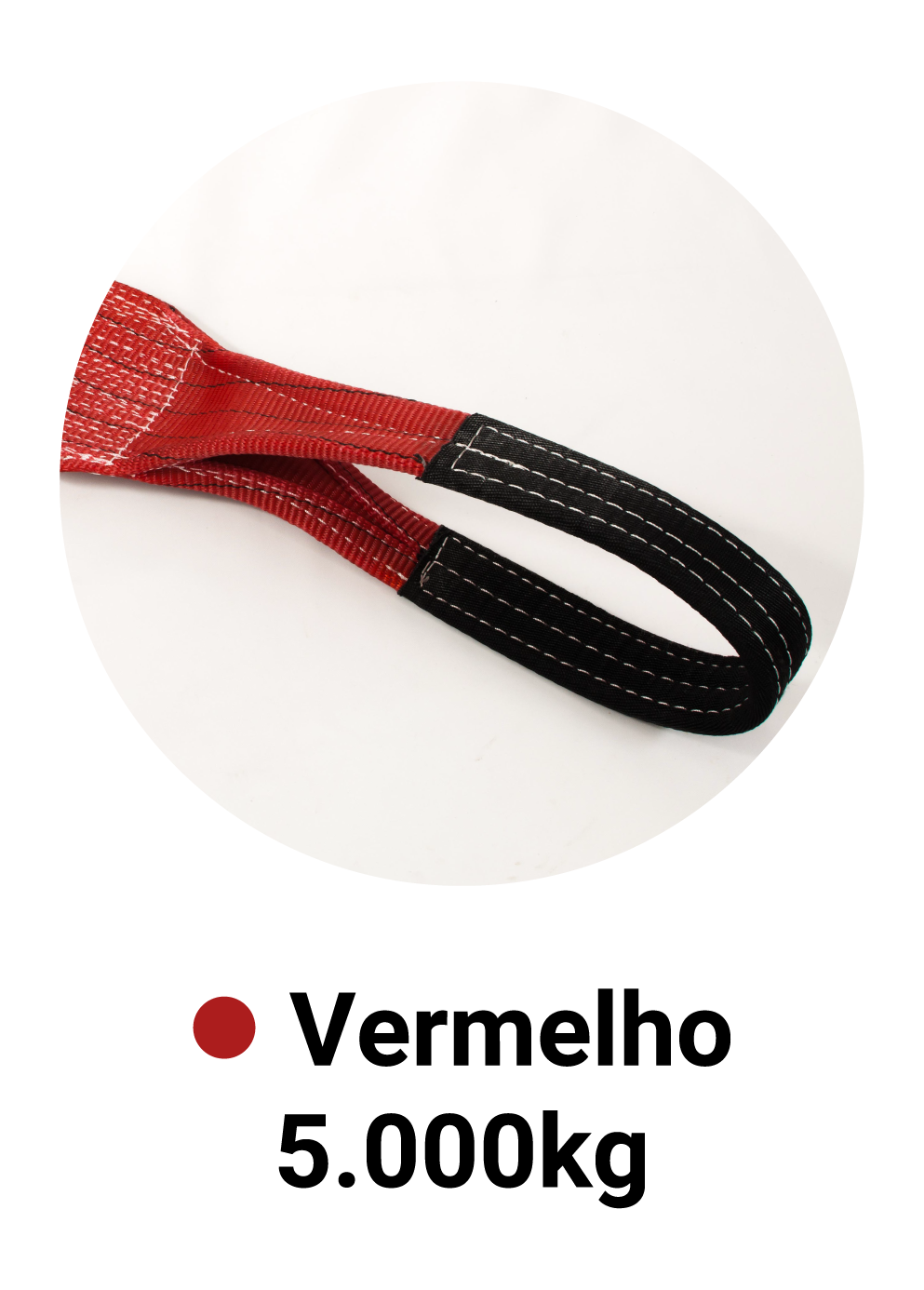
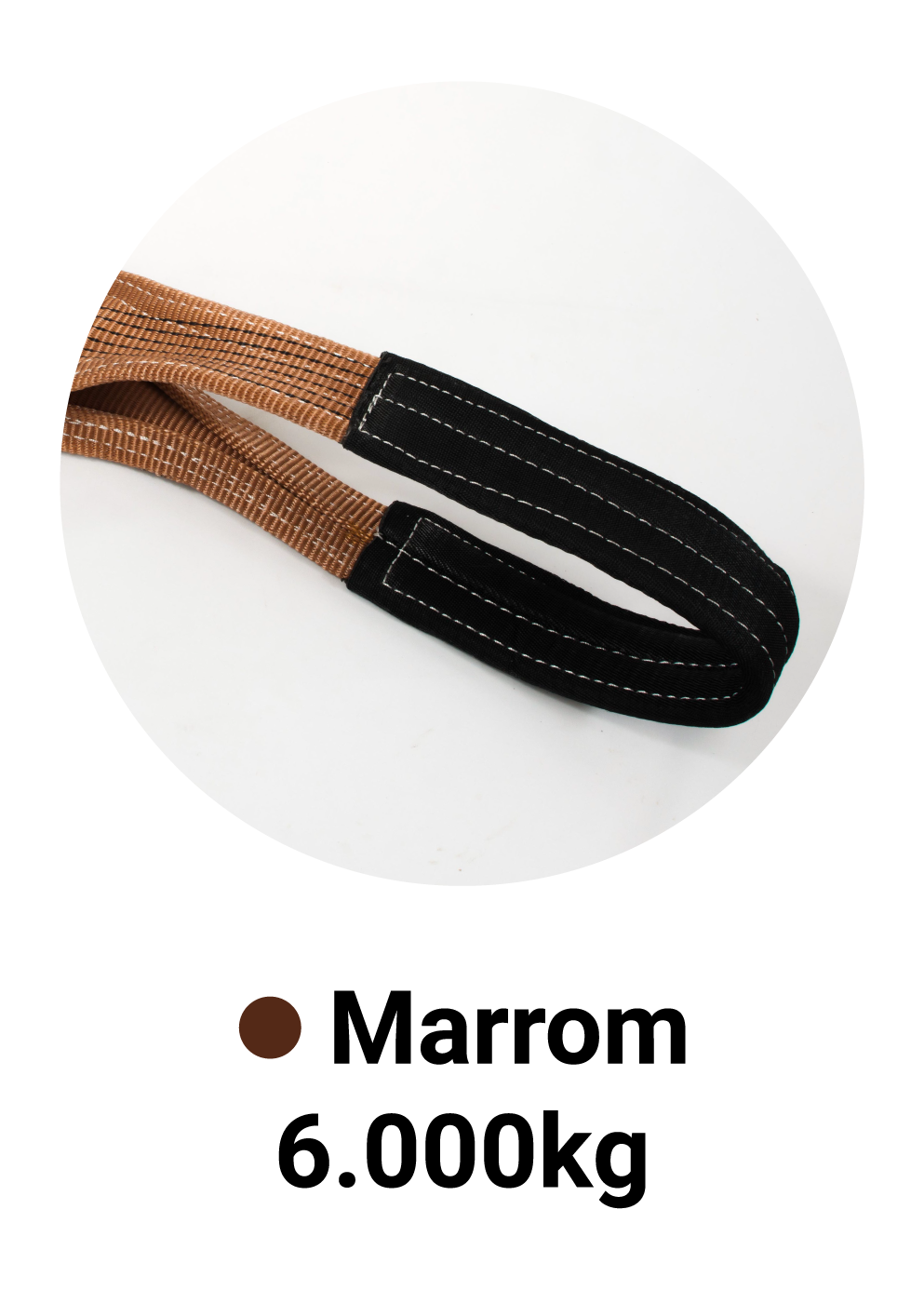
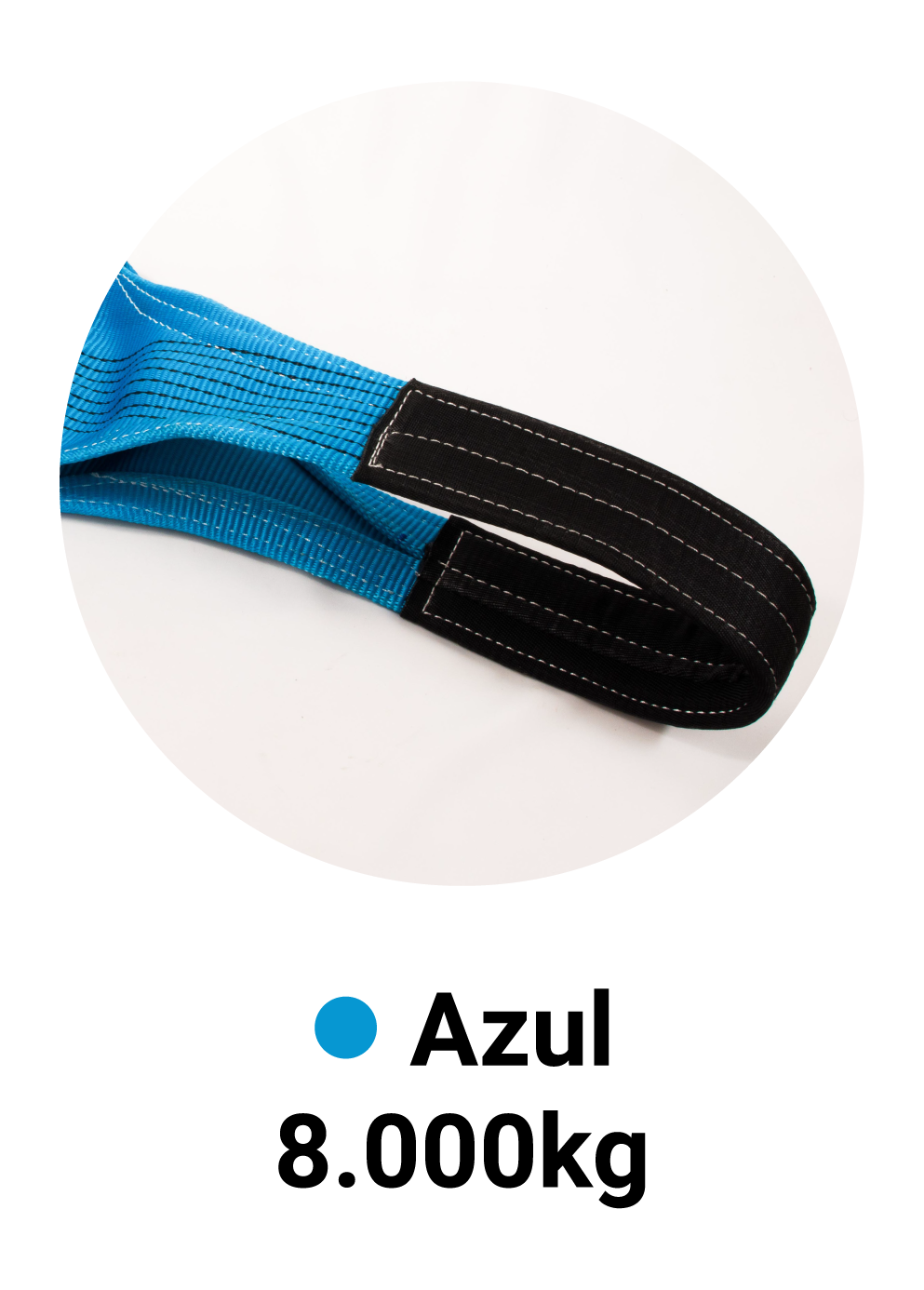
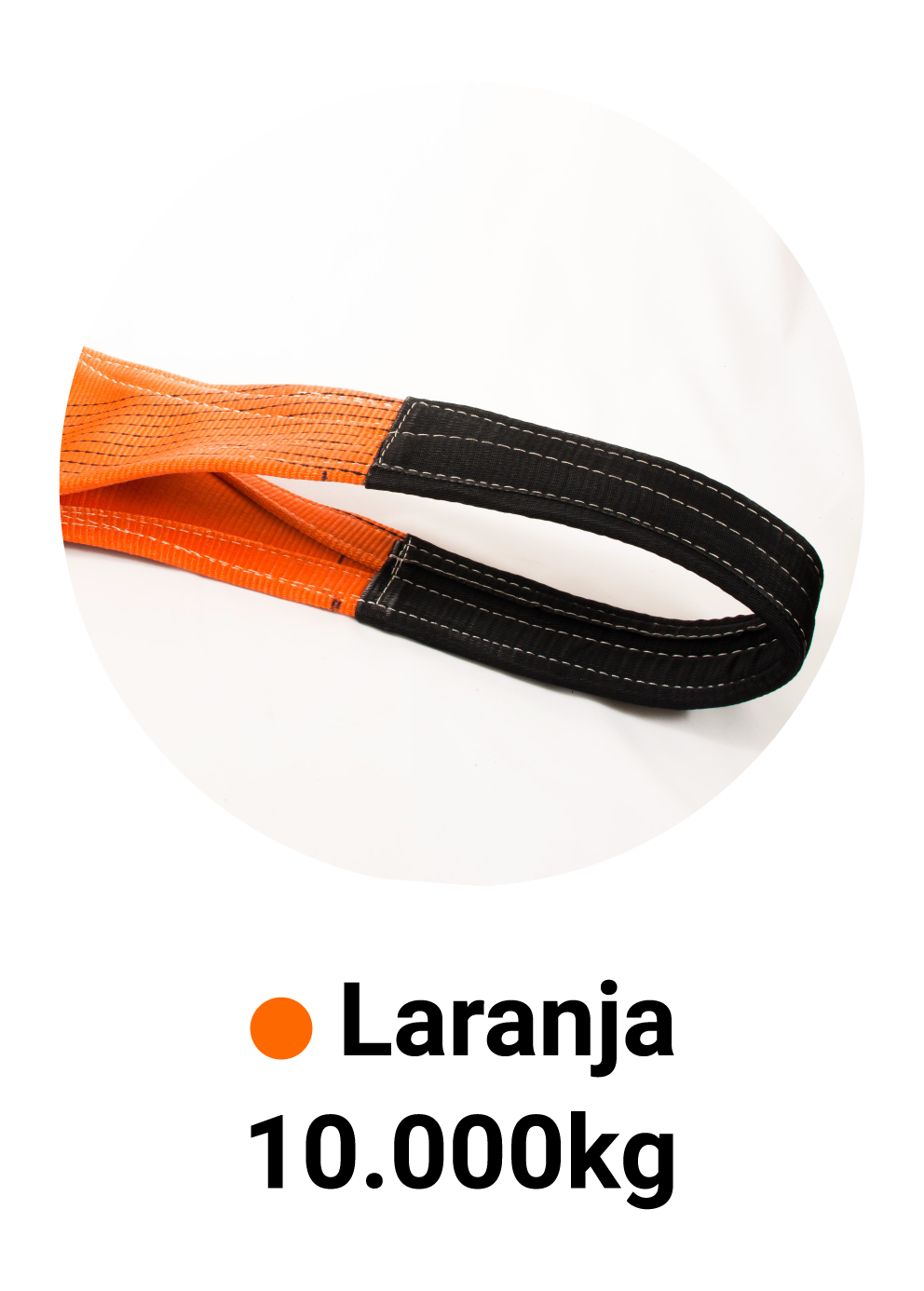
Blue
Identification Label
The blue traceability label is part of the Fitacabo sling labelling system. Its identification contains information enabling precise, technology-driven traceability, including: safety factor, manufacturer information, working load limit, sling model, manufacturing date and the traceability code itself. The blue colour represents a 100% polyester material composed of a high-tenacity yarn, offering excellent mechanical resistance to chemicals, abrasion and low flame propagation.
Support
This same code allows Fitacabo to gather accurate information, providing the customer with full, well-equipped support in cases of queries or legal and managerial requirements.
NBR 15637
The identification label on lifting slings must comply with ABNT NBR 15637 standards and must be properly labelled regardless of their width.
- 1Manufacturer with tax ID (CNPJ)
- 2Manufacturing date
- 3Working load limit
- 4Sling model
- 5Traceability code
- 6Safety factor
- 7Manufacturer information
- 8Mode of use
- 9Quick access to the Certificate

Safety
Factor
This is the number that expresses how many times the product must withstand the breaking test in relation to the WLL. It is used in laboratory tests (product design planning) to comply with legislation and ensure safety during cargo handling.
The Safety Factor applies during cargo handling, given the forces acting during the operation. It is a normative manufacturing condition and does not replace the working load limits specified on the sling's identification label.
WARNING!
The Safety Factor must never be
used as a load capacity
For workplace safety, check the following points
- Know the shapes and capacities of the slings;
- What type of lashing is to be performed;
- Use of locking devices;
- Select the correct sling for the operation;
- Do not exceed the sling's technical specifications;
- Never use damaged slings (or uninspected ones);
- Never use a sling showing signs of abrasion wear;
- Do not use when longitudinal cuts are present;
- Do not use when transverse cuts are present;
- Where necessary, prepare edge protectors for sharp corners;
- Know the weight, size and centre of gravity of the load.
- Position the sling correctly at the appropriate point on the load;
- Check for any heat damage;
- Damage to the reinforcement and the loop;
- Do not use knotted slings;
- Avoid placing more than one pair of slings on the same hook;
- Use hooks with a support radius no less than one inch diameter of smooth, round cross-section;
- Consider the friction value between the load and the platform to which it will be secured;
- Place the lifting hook perpendicularly above the load's centre of gravity.
Storage
Storage must be carried out in a location with moderate temperature, protected from direct sunlight. Slings may be stored on shelves or hooks, separated by type.
Maintenance
Maintenance is simple, inexpensive and quick, consisting only of cleaning with neutral soap to remove dirt (dust, grease, oil). After washing, do not dry in hot locations.
Standard NBR 15637 for Slings and Cargo Lifting comes into force
The company participated alongside ABNT in drafting this standard, aiming at standardisation and safety for workers and sling users. We hereby announce the official HOMOLOGATION. To purchase or view the standard, access the link > http://www.abntcatalogo.com.br